CALL US AT (786) 207-4788 OR BOOK AN APPOINTMENT ONLINE

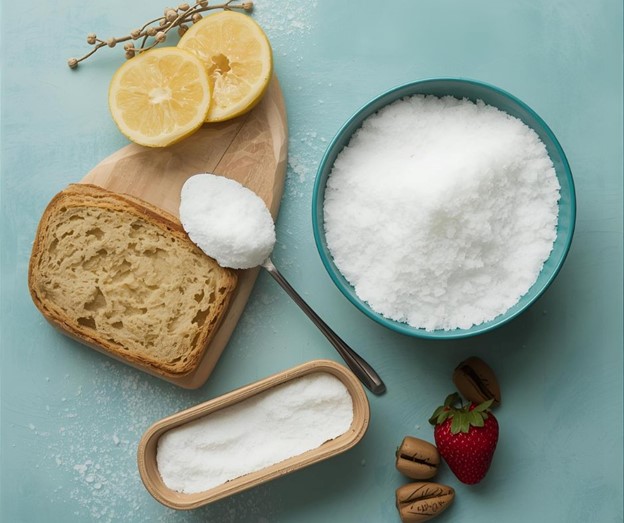
They sneak into nearly every pantry, every lunchbox, every “healthy” snack you thought was a good choice. What am I talking about? Sugar, and the army of sweeteners that follow it.
Most of us already know sugar isn’t exactly our best friend, so we turn to many other sugar alternatives marketed as “healthier” or “sugar-free,” without realizing they are not doing us any favors either. In fact, sometimes they’re working against us in ways that are easy to miss but hard to reverse.
Today, I want to raise awareness of it, because once you know what’s really going on in your body, you can make better choices without falling for the latest label or fad.
Why This Matters
Walk down the grocery aisle, and you’ll see them: cookies with no sugar added, yogurts marked low-carb, and sodas that promise zero everything. But just because something doesn’t say “sugar” doesn’t mean it won’t raise your blood sugar, impact your metabolism, or trigger those addictive sweet cravings.
As your doctor, I don’t want you guessing. I want you to feel confident, strong, and well-informed. That means understanding not just what sugar is, but also what it does and how your body responds to sugar substitutes.
How Your Body Processes Sugar
When you eat something sweet—whether it’s a spoonful of sugar or a handful of grapes—your body breaks it down into glucose. That glucose enters your bloodstream and tells your pancreas, “Hey! Time to release insulin.” Insulin helps move the glucose into your cells, where it’s either used as energy or stored for later.
The problem comes when there’s too much sugar, too often. Your body can only handle so many spikes before it starts to push back. That’s when we see things like:
- Energy crashes after a sugar high
- Insulin resistance, which can lead to prediabetes or diabetes
- Fat storage, especially around the belly
- Inflammation, which can impact everything from your joints to your heart
The problem is that sweeteners—even the “fake” or calorie-free ones—can still trigger some of those same insulin responses or keep your brain locked in a loop of craving more.
Sweeteners and the Brain: A Tricky Game
Artificial sweeteners like sucralose (Splenda), aspartame (Equal), and saccharin (Sweet’N Low) don’t contain calories—but they do light up the brain’s reward centers just like sugar does. You get the “sweet” signal without real fuel. That confuses the body and, for many people, worsens cravings.
Some studies suggest that long-term use of artificial sweeteners may even increase appetite and contribute to weight gain. Others show potential links to gut health issues and disruptions in blood sugar.
So while it may seem like a good trade—sweet taste without the calories—it’s not always as helpful as we’re led to believe.
Hidden Sugars: They’re Everywhere
Even if you avoid cookies and candy, sugar is still sneaking in. Just check the back of a ketchup bottle or “light” salad dressing. Sauces, yogurts, bread, crackers, and even flavored oatmeal often come loaded with added sugar or sweeteners—sometimes under names you’d never guess.
Watch for terms like:
- Dextrose
- Maltose
- High-fructose corn syrup
- Cane juice
- Agave nectar
- Corn syrup solids
- Fruit juice concentrates
They may sound “natural,” but your body doesn’t care what it’s called. It just knows it has to deal with another sugar load.
So…Sugar or Sweeteners?
Neither in large amounts, since both can be problematic if used without awareness. A more realistic approach, I often offer patients:
- For sugar: Small amounts, from whole-food sources, are manageable. A teaspoon of honey in your tea? Fine. A date in your smoothie? That’s fuel. Go for balance and frequency, not perfection.
- For sweeteners: Use with caution. Occasional use of stevia or monk fruit may be okay for many people, but artificial sweeteners used daily can cause more trouble than they solve.
Better Options & Practical Tips
Now you don’t have to cut everything sweet out of your life to make a change, but you can start to make smarter swaps, retrain your palate, and give your body what it really needs.
Here’s what I suggest:
- Start With Awareness
Read labels. If sugar—or one of its aliases—is in the top three ingredients, think twice. If a “healthy” product has multiple sweeteners, ask yourself why.
- Pair Intentioanlly
If you’re eating something with natural sugar (like fruit), pair it with some healthy fat or protein to slow down the glucose spike. Think apple slices with almond butter or berries with Greek yogurt.
- Retrain Your Taste Buds
Sweet cravings are often a learned behavior. Start reducing the amount of sugar or sweetener gradually—half the sweetener in your coffee today, a little less tomorrow. Over time, your taste buds adjust, and surprisingly, they start craving real food again.
- Keep It Simple
If it has ingredients you can’t pronounce or wouldn’t use in your own kitchen, it’s probably not doing your body any favors.
What This Means for You
We all deserve to eat in ways that support our energy, mood, and long-term health. That doesn’t mean cutting out joy or flavor. It means reclaiming the power to make choices that serve you, not the food industry.
If you’ve been feeling foggy, tired, inflamed, or you’re noticing changes in weight or mood, you don’t have to guess if sugar or sweeteners are playing a role. Come talk to me. Let’s look at your full picture—labs, lifestyle, goals—and map out a plan that makes sense for you.
Your body doesn’t need perfection. It needs partnership.
And that’s what I’m here for.
I’m Dr. Coupet, The People’s Doctor.