CALL US AT (786) 207-4788 OR BOOK AN APPOINTMENT ONLINE

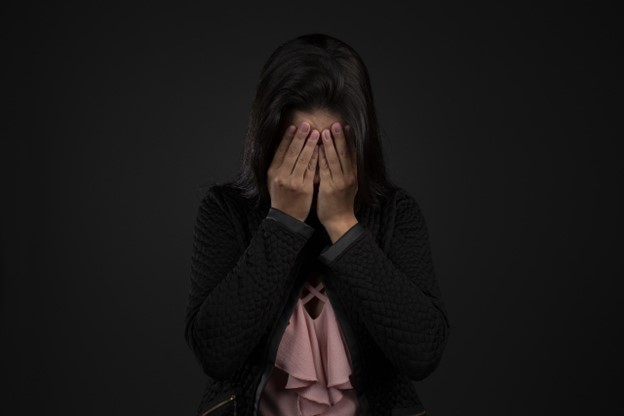
You don’t need snow or freezing temperatures to feel a seasonal slump. Here in South Florida, the shift in daylight alone can create changes you might not expect. Earlier sunsets, less evening light, and disrupted sleep patterns can quietly influence your mood, your energy, and even your ability to stay connected to daily life.
For many, it starts subtly: feeling more tired than usual, waking up groggy, losing interest in things that normally feel easy, or noticing a heaviness that’s hard to describe. Some people feel more irritable. Others feel sad or disconnected. And often, they blame themselves for it.
This isn’t just “a rough patch” or “winter blues.” It has a name. It’s called Seasonal Affective Disorder—or SAD—and it’s far more common than we might realize.
At Coupet Quality Clinic, we see this every year. And we take it seriously because it affects people’s daily lives and overall well-being. If this sounds familiar to you or someone you care about, I want to speak directly to that today.
What Exactly Is SAD?
Seasonal Affective Disorder is a form of depression that follows a seasonal pattern, usually starting in late fall and lasting through the winter months. Some people even experience it in the summer, but the most common form is tied to the colder, darker seasons.
What makes SAD different from other types of depression is its link to light. Our brains rely on sunlight to regulate serotonin (which supports mood), melatonin (which affects sleep), and our internal clock. When the light disappears earlier each day, it throws off that delicate balance, and for some people, the emotional consequences can be significant.
What It Might Feel Like
SAD doesn’t show up the same way in everyone. But if you’re experiencing it, you might notice:
- A persistent low mood or sadness that lasts most of the day, most days
- Trouble getting out of bed, or sleeping too much, but still feeling exhausted
- Losing interest in things you usually enjoy
- Feeling more withdrawn or disconnected from others
- Difficulty concentrating or staying motivated
- Cravings for carbohydrates or comfort foods
- A sense of heaviness, both physically and emotionally
These aren’t just signs of “being lazy” or “overreacting.” These are symptoms of something real, and they’re worth paying attention to.
Who’s at Risk?
While anyone can experience Seasonal Affective Disorder, there are a few groups who may be more likely to notice these shifts:
- People who already live with depression or anxiety
- Those with a family history of mood disorders
- Women (who are statistically more affected than men)
- People who work long hours indoors or have limited access to natural light
- Individuals living in areas with long winters or frequent overcast skies
And even here in Florida—where you might assume we’re immune—it can still take hold. You don’t need to live in Alaska to feel the weight of a darkening season.
What Can Help?
First, please know this: if any of this sounds familiar, there is nothing wrong with you. You’re not weak. You’re human. And there are tools, strategies, and support that can help you feel like yourself again.
1. Let There Be Light
Light therapy is one of the most effective treatments for SAD. It involves sitting near a special light box each morning for about 20–30 minutes. These lights mimic the brightness of natural sunlight and can help regulate your body’s internal rhythm and mood chemistry. If that’s not accessible to you, even spending more time outside during daylight hours can make a difference.
2. Move Gently and Often
Exercise supports emotional health in profound ways. You don’t have to train for a marathon. Walking, stretching, yoga, or dancing around your living room all count. The key is movement—regular, kind movement that helps your brain release feel-good chemicals and regulate stress.
3. Talk to Someone
You don’t have to carry this alone. Sometimes, just saying “I think I’m struggling” is enough to start the healing process. Therapy, coaching, or just a check-in with your doctor can provide relief, guidance, and a sense of partnership.
4. Support from Supplements or Medication
Low levels of Vitamin D have been linked to increased risk for SAD. We can check your levels with a simple blood test, and if needed, we’ll talk about supplements. In more severe cases, medication may be a helpful option, and there’s no shame in that. Every body and every brain is different. Our goal is to support your unique system in feeling well again.
So… What Should You Do?
If you find yourself feeling “off” this time of year—and especially if that feeling has a pattern year after year—start with compassion.
Notice what’s happening in your body, your mood, and your relationships.
Keep a simple journal for a week or two. Make notes on your energy, your emotions, your sleep, and your eating habits. Awareness is the first step toward change.
Then come talk to me. You don’t need a full-blown diagnosis to deserve support. If something feels heavy or hard, that’s enough.
A Gentle Reminder for Everyone
Here’s something else I want to offer, especially during this season:
Give people grace.
You never know what someone’s carrying. That co-worker who seems moody? The friend who keeps canceling? The partner who’s quiet? They might be navigating Seasonal Affective Disorder (or something else entirely) and just don’t have the language for it yet.
Extend understanding and be kind with your assumptions. That alone can change lives.
And if you’re the one quietly struggling? Please don’t write yourself off. You matter too much.
You are not broken or alone in this journey.
I’m here. Always.
I’m Dr. Coupet, The People’s Doctor.