CALL US AT (786) 207-4788 OR BOOK AN APPOINTMENT ONLINE

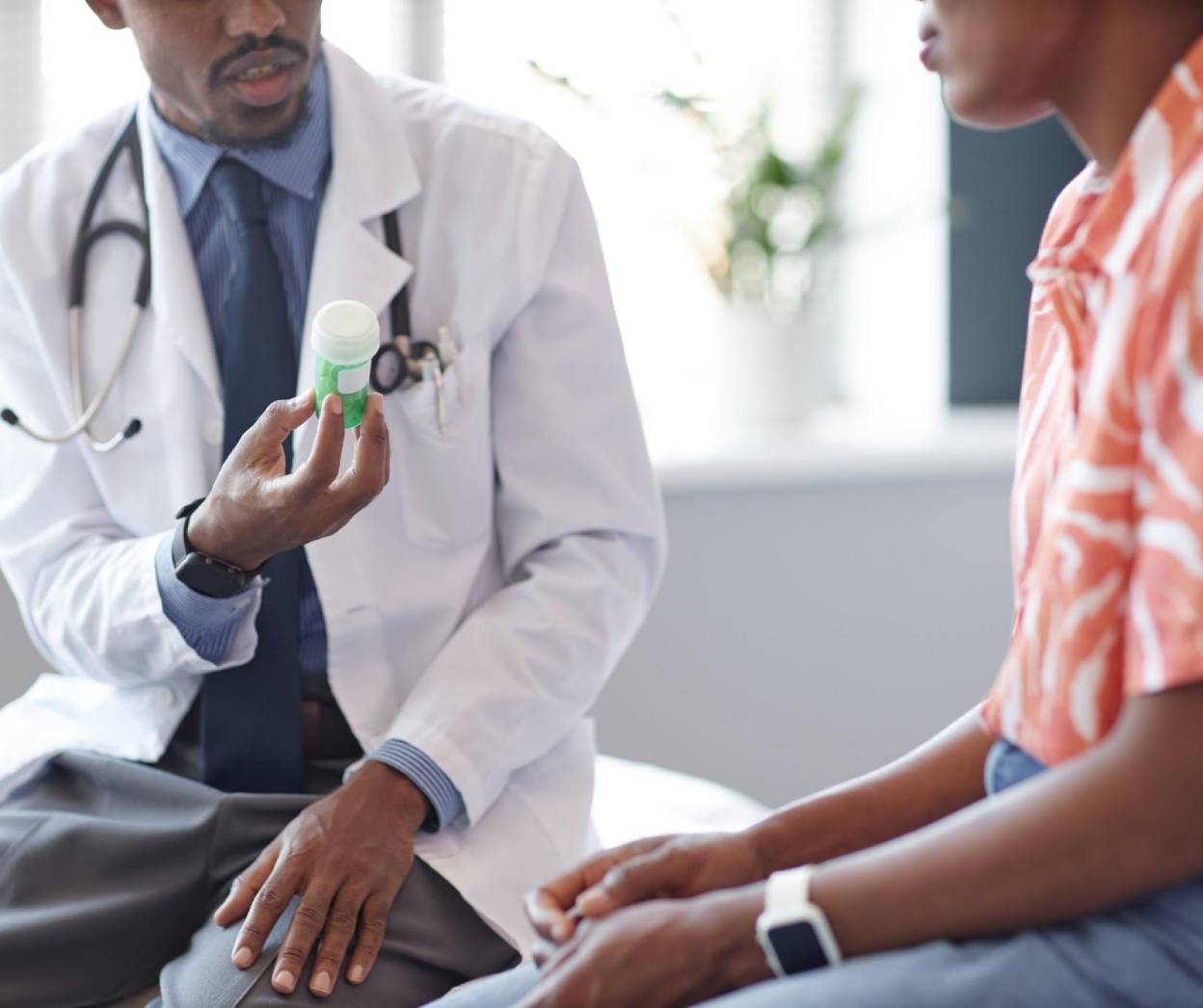
Over the past couple of years, I’ve had more and more patients ask me about GLP-1 medications. With countless commercials, inspiring success stories, and dramatic weight loss transformations happening all around us, it’s no surprise that more patients are curious about these medications.
And yes — these medications can be powerful tools. I’ve prescribed them. I’ve seen them help improve blood sugar, reduce appetite, and lower weight in people who’ve struggled for years.
But, as your doctor, I want to emphasize this point:
Medication is just one part of the equation. If we overlook the other essential components, we risk setting people up for challenges they never anticipated.
So let’s take a closer look at what’s often missing from the conversation.
The Part Nobody Talks About Enough
GLP-1 medications work by slowing gastric emptying, reducing appetite, and improving insulin response. That’s helpful. Especially for people with diabetes or significant weight-related health concerns.
But when weight drops quickly, and nutrition and strength training aren’t prioritized, something else drops too:
Muscle.
And that’s where we start seeing what people are calling the “GLP-1 appearance.” The hollowed cheeks. The frail look. The sudden aging. The weakness.
When your body loses weight rapidly without enough protein and resistance training, it doesn’t just burn fat. It breaks down muscle, and muscle is not optional.
Muscle supports:
- Your metabolism
- Your blood sugar control
- Your bone density
- Your posture
- Your long-term independence
- Your ability to recover from illness
Losing too much muscle changes more than just our appearance—it affects how our bodies perform and how we feel day to day.
Why This Happens
When appetite decreases, people naturally eat less. That might seem like the intended outcome, but without intention, it’s easy to consume far less protein than your body actually needs. Additionally, if you aren’t engaging in weightlifting or resistance training, your body lacks the stimulus to maintain muscle.
It’s very simple biology:
If you don’t use a muscle, your body gets rid of it.
GLP-1 medications don’t magically protect muscle. They reduce calories. Without a plan, some of those lost calories come from lean mass.
That’s the missing piece.
Medication Is a Tool, Not a Replacement for Discipline
Some people approach GLP-1s hoping it means they won’t have to do the “hard stuff” anymore. They hope to skip the gym, avoid meal planning and protein tracking, and leave early mornings behind.
But if anything, you need to double down.
Not as a form of punishment or out of fear, but because your body truly deserves to be protected.
You worked hard to build that muscle over the course of decades. Let’s not throw it away because the scale is moving.
The Non-Negotiables
If you are on a GLP-1 medication (or considering one) the following are not optional.
1. You Have to Lift Weights
I don’t care if you’re 35 or 75. Resistance training is essential.
That means:
- Lifting dumbbells
- Using resistance bands
- Machines at the gym
- Bodyweight exercises like squats and push-ups
Cardio is great for your heart, but cardio alone will not preserve muscle mass.
Muscle responds to tension. If you’re not challenging it, you’re losing it. And yes, that might mean waking up earlier. It might mean pushing through mornings when you’d rather stay in bed.
I’m not asking you to train like a bodybuilder, but I am asking you to protect your strength.
2. Protein Is Not Optional
When appetite drops, protein is often the first thing to go. That’s a mistake.
Most adults (especially those losing weight) need significantly more protein than they think.
Protein supports:
- Muscle preservation
- Satiety
- Recovery
- Hormone balance
If you’re on GLP-1s and barely eating, you need to be strategic.
Think:
- Eggs
- Greek yogurt
- Lean meats
- Fish
- Protein shakes if necessary
Sometimes I’ll tell patients, “Even if you don’t feel hungry, your muscles are.”
3. Strength Is the Goal, Not Just Weight Loss
The number on the scale is easy to celebrate. But I want you thinking about:
- How strong you feel
- Whether you can carry groceries easily
- Whether you can get up from the floor without assistance
- Whether you feel steady on your feet
Losing 30 pounds but also losing strength is not a win in my book.
A smaller body that is weaker, more fragile, and metabolically slower? That’s not health.
A Kitchen Table Truth
Let me put this as plainly as I would if we were sitting together at the kitchen table.
GLP-1 medications can be truly life-changing for the right patient, in the right circumstances. They offer powerful benefits and, when used thoughtfully, can make a significant difference.
However, these medications are not a magic solution. They cannot take the place of discipline, regular movement, or proper nourishment. Real, lasting progress comes from combining these medications with a comprehensive plan that prioritizes your overall health.
Relying solely on the medication, without addressing the bigger picture, can lead to disappointing long-term results. Now, this isn’t about instilling fear, but it is about taking responsibility for your health and making informed choices.
The Bigger Picture
I don’t want you skinny and weak.
I want you to be strong. I want you to be metabolically resilient. I want you to age well.
I want you to be able to travel, to lift your grandchildren, to recover from surgery if needed, and to maintain your independence as long as possible.
All of that requires muscle, and muscle requires effort.
If You’re Considering GLP-1s
Before starting, ask yourself:
- Do I have a strength training plan?
- Do I understand my protein needs?
- Am I prepared to protect my muscle mass?
- Am I viewing this as a tool, not a shortcut?
If you don’t have clear answers to those questions, that’s okay. That’s what I’m here for.
If You’re Already On It
There’s no need to panic; simply adjust your approach.
The good news is it’s never too late to focus on building muscle while losing weight; in fact, that’s the best possible outcome. We can start by reviewing your labs and having a conversation about body composition, looking beyond just the number on the scale. Together, we’ll design a plan that prioritizes your long-term protection and well-being.
Final Thoughts
I am not anti-medication. I am anti-incomplete plans.
If we’re going to use modern tools, let’s use them wisely. GLP-1s can open a door, but what you do after walking through that door determines your outcome.
If you have questions about balancing your medication with strength training and proper nutrition, call the clinic. Let’s create a plan that protects your muscles, your metabolism, and your long-term health.
You don’t have to figure it out alone.
I’m Dr. Coupet, The People’s Doctor.